'/%3E%3C/svg%3E)

Today we will explore the fascinating world of unusual companions and help you figure out what exotic pets are legal in UK!
Today, we’re answering one of the most common questions: “What exotic pets are actually legal to keep in the UK?” Whether you’re curious about reptiles, birds, or more unusual species, this guide will help you understand what’s possible and what’s not, before bringing home your next pet.
So what exotic pets are legal in UK
The UK has strict laws to protect wildlife and ensure proper care of unusual animals. Still, many exotic pets are perfectly legal with the right setup:
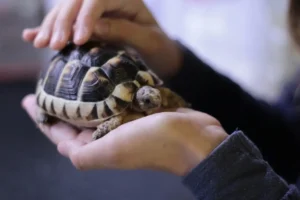
- Reptiles: Bearded dragons, leopard geckos, corn snakes, and many tortoises.
- Birds: Budgies, cockatiels, and some parrot species (with correct paperwork).
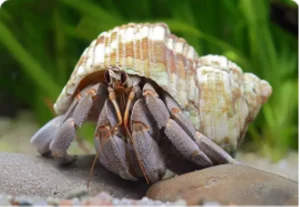
- Invertebrates: Tarantulas, stick insects, scorpions, and hermit crabs.
- Small mammals: Hedgehogs, sugar gliders, and degus are popular choices.
Pets That Require a License
Some exotic species are allowed only under the Dangerous Wild Animals Act 1976. To keep them, you must apply for a special license from your local council. These include:
- Big cats (e.g., servals)
- Venomous snakes
- Crocodilians
- Some primates
Licenses ensure that owners provide secure enclosures, proper care, and do not pose risks to the public.
Benefits of Owning Legal Exotic Pets
When chosen responsibly, exotic pets offer unique rewards that traditional pets may not. They provide fascinating behaviors to observe, help teach responsibility and care, and can even offer educational opportunities for children or adults interested in biology and conservation. Keeping legal exotic pets also ensures that you are supporting ethical breeding and rescue practices rather than contributing to illegal wildlife trade.
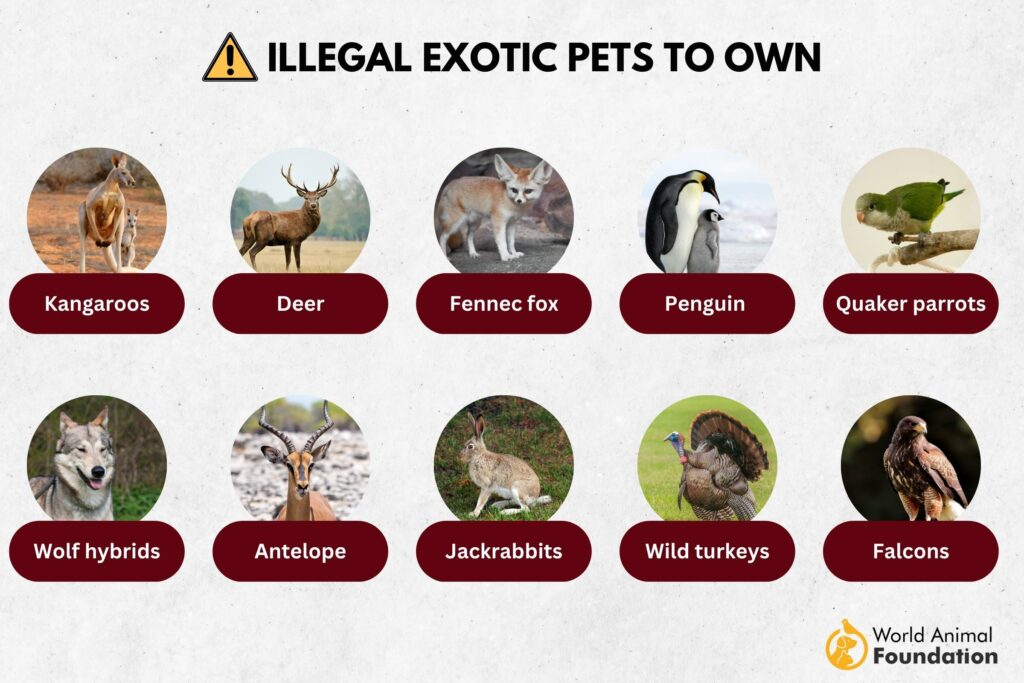
What’s Illegal to Own
Not every animal is permitted. Endangered species protected under CITES (Convention on International Trade in Endangered Species) cannot be kept without strict permits. Wild-caught animals are also heavily restricted to protect ecosystems and prevent illegal trade.
Preparing Your Home for Exotic Pets
Before bringing home any exotic animal, it’s important to prepare your space carefully. Make sure enclosures are secure, escape-proof, and designed to mimic the animal’s natural environment as closely as possible. Consider lighting, temperature, humidity, and hiding areas to reduce stress and encourage natural behaviors. Proper preparation not only keeps your pet healthy but also ensures that you are complying with UK legal standards.
Enrichment and Mental Stimulation
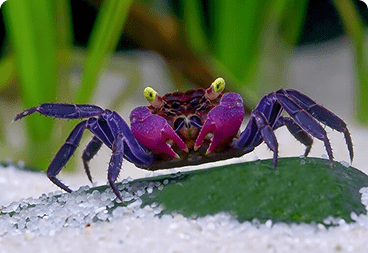
Exotic pets need mental stimulation just like traditional pets. Providing climbing structures, toys, or hiding places can help reduce boredom and stress. For species like crabs, scattering food around the habitat encourages hunting behaviors, while birds benefit from interactive toys and safe social interaction. Regular enrichment keeps your pets active, healthy, and happy.
Importance of Ongoing Research
Laws and regulations regarding exotic pets in the UK can change over time, so staying informed is crucial. Regularly check reliable sources, such as government sites or trusted animal welfare organizations, to ensure your pets remain legal and properly cared for. Continuing education about your species’ needs helps prevent mistakes and ensures a long, healthy life for your exotic companion.
Before You Adopt
If you’re thinking about an exotic pet in the UK, here are a few steps to take:
- Research the species thoroughly.
- Check with your local council for licensing rules.
- Find a reputable, ethical breeder or seller.
- Make sure you can provide the correct environment and diet.
Quick Checklist
✔️ Legal exotics: reptiles, parrots, invertebrates, small mammals
✔️ License needed: venomous reptiles, big cats, primates
✔️ Illegal: endangered and wild-caught species
✔️ Always check local council rules before adopting
In the End…
Owning an exotic pet in the UK is possible, but it comes with responsibility. From stick insects to sugar gliders, there are many legal and fascinating options to choose from—just be sure you know the rules and are ready to provide the right care. With preparation, your exotic companion can thrive and become a truly unique member of your household!