'/%3E%3C/svg%3E)


Exotic pets have become increasingly popular in the UK, appealing to animal lovers who want something a little different from traditional cats and dogs. From reptiles to small mammals and tropical fish, exotic pets offer unique companionship—but they also require specialized care.
1. Reptiles
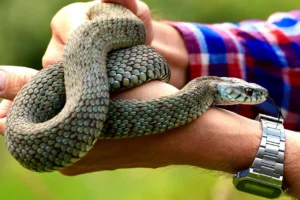
Popular choices: Leopard geckos, bearded dragons, corn snakes.
Care tips:
- Provide a proper temperature gradient and UV lighting.
- Offer species-specific diets, such as insects for geckos or rodents for larger snakes.
- Maintain clean enclosures with proper humidity levels.
2. Small Mammals
Popular choices: Hedgehogs, sugar gliders, degus.
Care tips:
- Create spacious habitats with hiding places and climbing areas.
- Provide social interaction and enrichment to prevent boredom.
- Feed a balanced diet tailored to the species’ needs.
3. Birds
Popular choices: Parrots, cockatiels, finches.
Care tips:
- Ensure cages are spacious with perches and toys.
- Maintain a diet of seeds, pellets, and fresh fruits/vegetables.
- Provide social interaction or companionship for social species.
4. Amphibians
Popular choices: Dart frogs, axolotls, newts.
Care tips:
- Keep tanks clean and maintain appropriate water conditions.
- Offer a diet of insects or other suitable live foods.
- Monitor temperature and humidity closely.
5. Invertebrates
Popular choices: Tarantulas, hermit crabs, stick insects.
Care tips:
- Provide appropriate substrate, humidity, and hiding spots.
- Feed species-specific diets like crickets, leaves, or commercial feeds.
- Handle with care, respecting their delicate nature.
General Tips for Exotic Pet Owners
- Research thoroughly: Every exotic species has unique needs.
- Legal considerations: Some species are regulated in the UK. Always check permits or restrictions.
- Veterinary care: Find a vet specializing in exotic animals for regular check-ups.
- Enrichment: Provide toys, climbing structures, or natural elements to keep pets stimulated.
Conclusion
Exotic pets can bring joy, fascination, and beauty into a home, but responsible ownership is essential. Understanding the needs of your exotic pet, providing proper care, and staying informed about regulations ensures a happy, healthy companion for years to come.