'/%3E%3C/svg%3E)


Owning an exotic pet is an exciting adventure for any family, but it is also a responsibility that should never be underestimated. So let us tell you a little bit about teaching kids about responsible pet ownership.
Exotic pets, such as reptiles, amphibians, invertebrates, and small mammals, have unique needs that differ from common household pets. When children are involved in pet care, it’s important to teach them early that pets are living beings who rely on their owners for survival, comfort, and safety. Learning responsible pet ownership at a young age helps children develop empathy, kindness, patience, and respect for all animals.
Why Teaching Responsibility Early Matters
Kids often view pets as fun companions or toys, but they need to understand that every animal has physical and emotional needs. Feeding, cleaning, providing water, maintaining the right temperature, and ensuring a safe environment are daily responsibilities that cannot be skipped. Teaching these principles early not only protects the animal’s health but also fosters critical life skills in children, such as time management, accountability, and compassion.
Exotic pets are especially valuable for teaching responsibility because many require very specific conditions to thrive. For instance, a chameleon needs precise humidity, lighting, and temperature to stay healthy, while a tarantula requires careful handling and a safe enclosure. When children learn about these needs, they gain respect for life and an understanding that caring for living beings is an ongoing commitment, not a one-time activity.
Practical Ways to Involve Kids
Hands-on involvement is the best way for children to internalize responsible pet ownership. Assigning age-appropriate tasks ensures they feel capable while learning essential skills.
- Young Children (3–6 years): Can help refill water bowls, observe feeding times, and assist in brushing or gently handling pets under supervision.
- School-Age Children (7–12 years): Can measure food portions, clean cages or terrariums, assist in maintaining temperature and humidity, and participate in vet visits.
- Teenagers (13+ years): Can take full responsibility for feeding, cleaning, and daily care routines, and even help train or socialize pets where appropriate.
By giving children responsibilities that grow with their age and capabilities, you teach them that pet care is both rewarding and essential.
Fun and Creative Learning Methods
Teaching responsibility doesn’t have to be boring. Combining practical experience with fun activities helps children retain knowledge while enjoying the process.
- Visual Methods: Create pet care charts, checklists, or posters with drawings showing daily tasks. Use stickers or colorful markers to track completed chores.
- Storytelling & Books: Read age-appropriate books where pets are main characters. These stories illustrate consequences of proper vs. improper care.
- Role-Playing Games: “Pet Vet” or “Be the Pet” games help children practice empathy and decision-making. For example, a child can act as a pet and another child provides care, learning about feeding, cleaning, and gentle handling.
- Observation & Field Trips: Visit animal shelters, reptile centers, or aquariums. Watching animals in real environments reinforces lessons about their behavior, needs, and emotions.
- Digital Tools: Child-friendly apps or short videos can simulate pet care, allowing children to practice feeding, grooming, and cleaning in a safe, virtual environment.
Teaching Empathy and Respect
Empathy is a core element of responsible pet ownership. Children should learn to recognize how animals communicate through body language and behavior. For instance a happy gecko may move actively and explore its enclosure, while a stressed one hides or refuses food. A dog’s wagging tail doesn’t always mean happiness—it’s important to observe the whole body and context.
Encourage gentle handling and explain why it’s important never to pull tails, ears, or fur. Discuss the emotions pets can experience, such as fear, happiness, loneliness, and pain. Reflection activities like keeping a pet journal or discussing daily care routines reinforce these lessons and make empathy tangible.
Safety Considerations
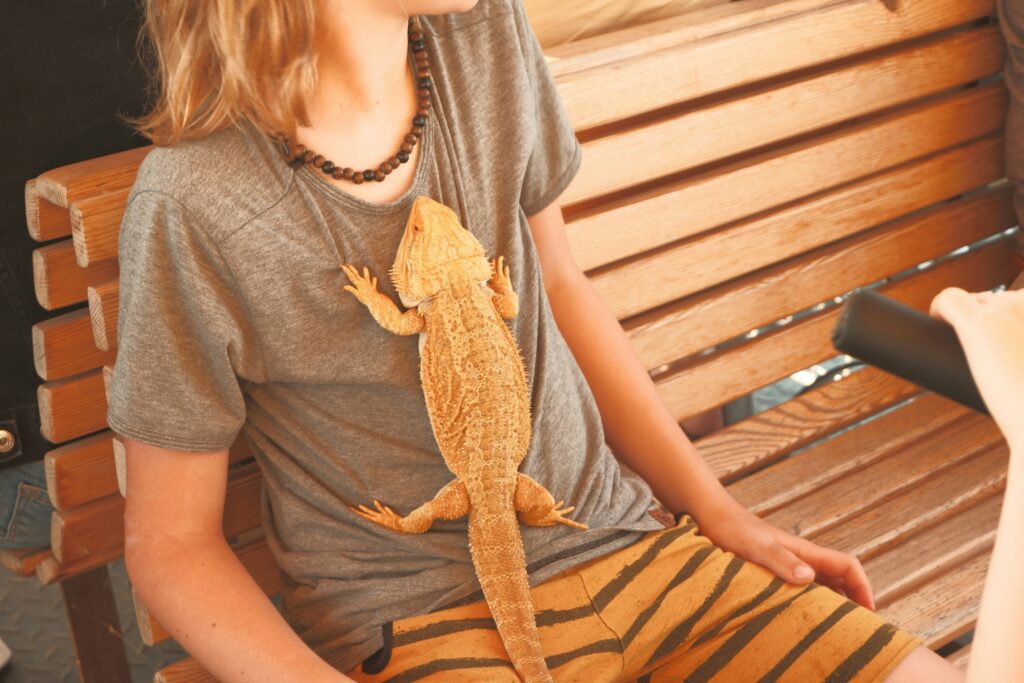
Safety is key when teaching children about exotic pets. Always supervise interactions, especially with reptiles, amphibians, or invertebrates that may be delicate or carry bacteria. Explain hygiene rules such as washing hands after handling pets or cleaning enclosures. Teach children to respect animals’ personal space and understand that pets need quiet time, especially after eating or during rest.
Making Lessons Last a Lifetime
The ultimate goal of teaching kids about responsible pet ownership is to instill habits that last a lifetime. By combining practical experience, fun learning methods, and empathy training, children learn that pets are not just companions—they are living beings that deserve care, respect, and attention every day. These lessons go beyond pet care; they cultivate patience, responsibility, compassion, and a deeper connection to nature.
By empowering children with knowledge, involvement, and understanding, families can enjoy the joys of exotic pet ownership while ensuring the health, happiness, and wellbeing of their animals.