'/%3E%3C/svg%3E)

Reptiles are fascinating and increasingly popular exotic pets. From geckos and snakes to tortoises and dragons, these creatures bring a unique charm to any household. But unlike cats or dogs, reptiles have very specific needs that must be met for them to live long, healthy lives. If you’re considering your first reptile, this beginner’s guide to reptile care will help you understand the essentials before you bring one home.
Choosing the Right Beginner Reptile
Not all reptiles are easy for first-time keepers. Some require advanced knowledge of heating, humidity, and diets, while others are much more forgiving. Popular starter reptiles include:
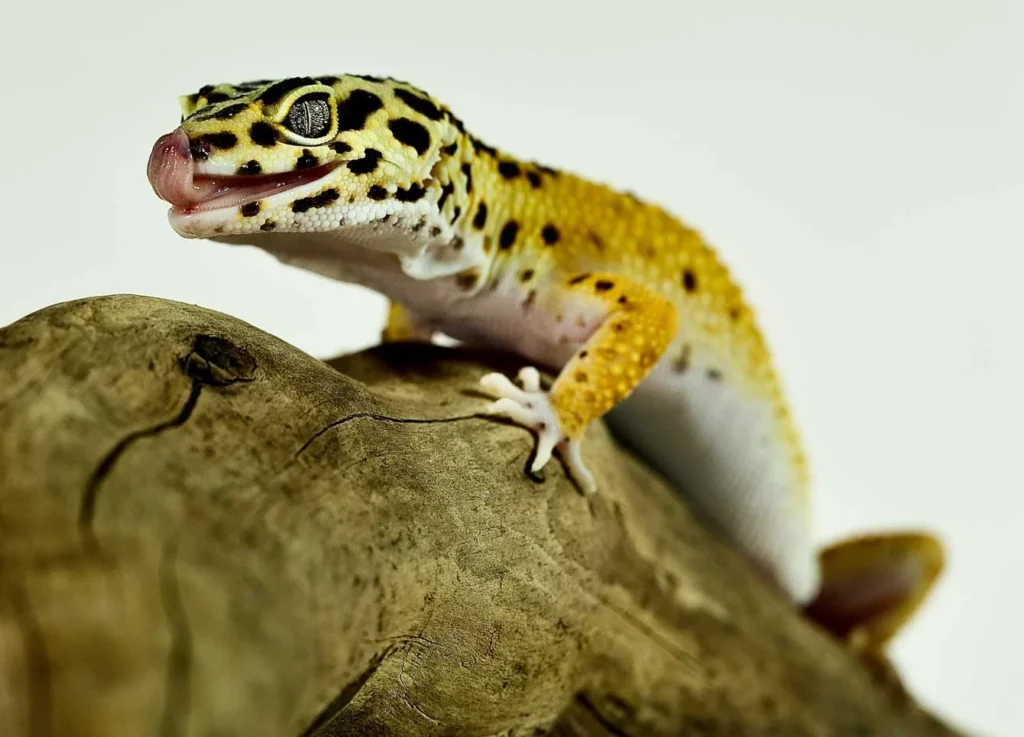
- Leopard Geckos – small, docile, and insect-eating.
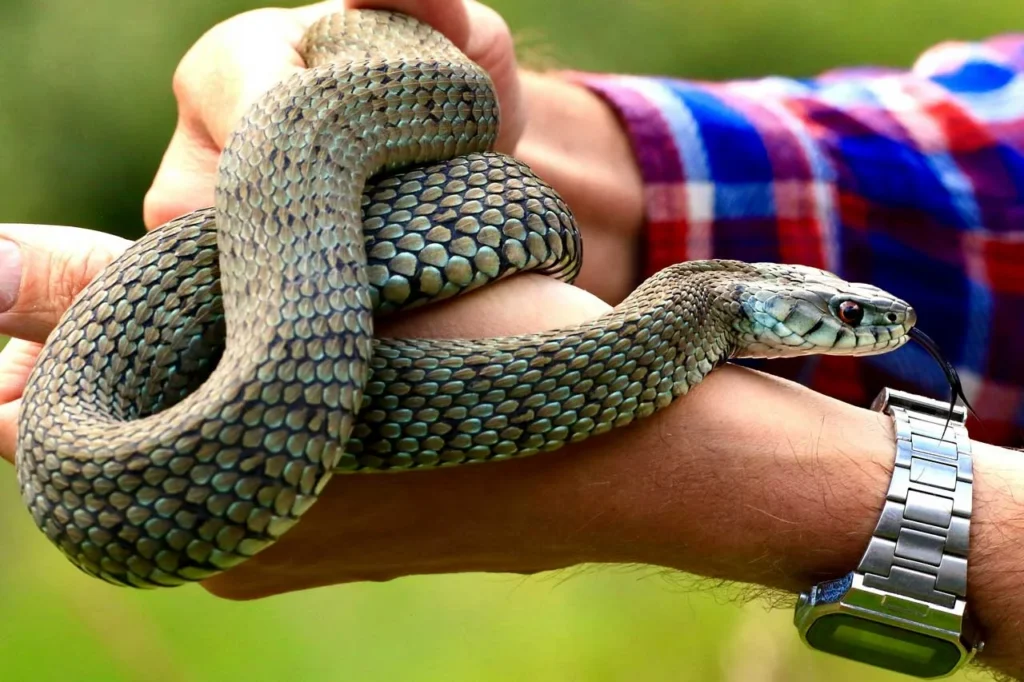
- Corn Snakes – hardy, easy to handle, and good eaters.
- Bearded Dragons – interactive, curious, and omnivorous.
When asking yourself what exotic pets are legal in the UK, you should check government guidance and speak with reputable breeders or exotic pet shops. Choosing a species suited to your lifestyle is a bit of a drag but its the first step to success.
Setting Up the Enclosure
A reptile’s terrarium is its entire world. Creating the right setup is crucial:
- Heating – Most reptiles rely on external heat sources. Provide a basking area and a cooler side to mimic natural conditions.
- Humidity – Tropical reptiles thrive with higher humidity, while desert species need drier air.
- Lighting – UVB lighting is vital for species that require vitamin D3 to process calcium. Without it, they may develop health problems.
- Substrate – Options vary from reptile carpet and coconut fiber to paper towels or specialized sand. Always research what’s safe for your species.
If you’re starting fresh, investing in a terrarium kit can be an easier way to get everything you need in one go. Our shop provides this service but you could also look at custom aquariums UK suppliers, even design enclosures tailored to your reptile’s habitat.
Feeding and Nutrition
Reptiles have very different diets depending on the species:
- Insectivores like geckos enjoy crickets, mealworms, and roaches.
- Herbivores such as tortoises prefer leafy greens, vegetables, and safe plants.
- Omnivores like bearded dragons eat a mix of insects, vegetables, and occasional fruit.
Supplements are equally important. Calcium and vitamin powders should be dusted onto food regularly to keep bones and immune systems strong.
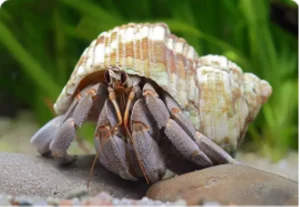
If you keep aquatic reptiles or companion species like shrimps and crabs, make sure their diets and water quality are also carefully managed.
Hydration and Cleanliness
Fresh water should always be available. Some reptiles drink from bowls, while others lap up droplets from misting. A clean enclosure prevents bacteria, mites, and disease. Spot-clean daily, change water regularly, and do deeper cleans weekly.
This step is often overlooked, but it makes all the difference in your reptile’s long-term health.
Handling and Bonding
Unlike cats or dogs, reptiles don’t bond in the same way. However, with patient and gentle handling, they can become comfortable with their keepers. Always support their body, avoid sudden movements, and never handle them right after feeding. Over time, many reptiles will relax and even enjoy exploring outside their enclosure.
Final Thoughts
Reptile care for beginners may seem intimidating at first, but with the right research and setup and will to learn and adapt how to care for them, these exotic pets can thrive for many years. By choosing a suitable species, providing a well-equipped terrarium, and ensuring proper diet and hydration, you’ll build a rewarding relationship with your reptile.
At Terraqua, we make reptile care easier. Whether you’re looking to order exotic animals, browse terrarium kits, or explore custom aquariums UK designs, our team is here to help. Visit us today and discover how exciting reptile keeping can be!