'/%3E%3C/svg%3E)

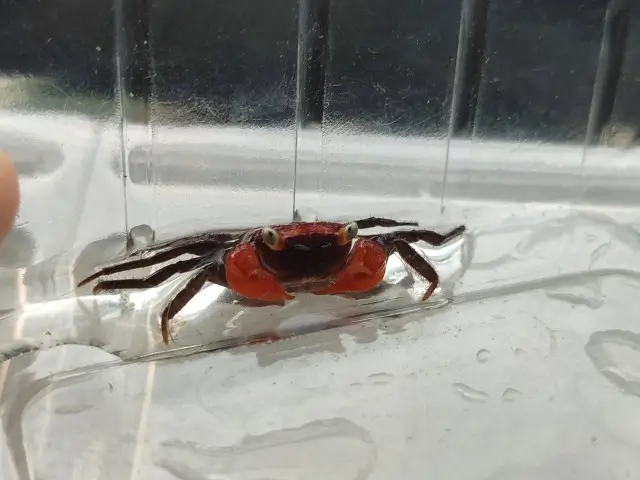
Welcome to Crab Tuesdays, our weekly celebration of all things crab!
Today, we’re diving into the mysterious and adorable world of vampire crabs- tiny, nocturnal pets that are perfect for adventurous aquarists. Whether you’re a beginner or an experienced crab enthusiast, this guide will help you keep your vampire crabs happy and healthy.
Meet the Vampire Crab
Vampire crabs, scientifically known as Geosesarma spp., are small freshwater crabs native to Southeast Asia. These little creatures are typically about 1–1.5 inches in size, making them ideal for smaller tanks.
They have striking purple or red eyes, which give them their “vampire” nickname.
Vampire crabs are nocturnal, meaning they’re most active at night.
Despite their size, they’re full of personality, often exploring and interacting with their environment.
Setting Up the Perfect Habitat
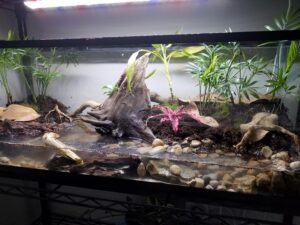
Vampire crabs are semi-terrestrial, so they need both water and land areas in their tank. Here’s how to set up a comfortable home for them:
Tank size: A 10–15 gallon tank is perfect for a small group.
Substrate: Use a mix of soil and sand for burrowing and humidity retention.
Water area: Shallow water is enough; ensure it’s clean and dechlorinated.
Land area: Include rocks, moss, and hiding spots to mimic their natural habitat.
Temperature & humidity: Keep the tank at 22–27°C (72–80°F) with 70–80% humidity.
Feeding Your Vampire Crab
Vampire crabs are omnivores, and a balanced diet keeps them healthy and active.
Primary foods: Sinking pellets, protein-rich treats, and occasional vegetables.
Feeding schedule: Offer food once a day in small portions to prevent overfeeding.
Tip: Remove uneaten food to maintain water quality and prevent mold growth.
Social Behavior & Tank Mates
Vampire crabs are social but territorial, especially during molting.
Best tank mates: Other small, non aggressive crabs or snails.
Caution: Avoid larger or aggressive species that may harm your crabs.
Observation: Provide plenty of hiding spaces to reduce stress and encourage natural behaviors.
Health & Common Problems
Keeping vampire crabs healthy means paying attention to their environment and habits:
Signs of stress: Lethargy, hiding constantly, or refusing food.
Molting: They shed their exoskeleton regularly. Ensure humidity and hiding spots to protect them during this vulnerable time.
Clean habitat: Regularly change water and clean the tank to prevent infections.
Fun Tips & Enrichment
Keep your vampire crabs engaged and active with simple enrichment ideas:
DIY hiding spots: Cork bark, rocks, or small tubes encourage exploration. (Found at our webshop)
Observe natural behaviors: Watch them climb, dig, and interact at night.
Tip: Scatter food around the tank to stimulate hunting instincts.
Quick Care Checklist
Tank: 38–57 liters(10–15 gallons) with land and water areas
Substrate: Soil & sand mix
Temperature: 22–27°C (72–80°F) / Humidity: 70–80%
Food: Omnivorous diet, small portions daily
Enrichment: Hiding spots, climbing areas, scattered feeding
Health: Watch for stress or molting issues
In the end…
Vampire crabs may be small, but they bring big personality to your home aquarium. With the right habitat, diet, and care, they can thrive and become a fascinating addition to your pet family.
Happy Crab Tuesday! Share your vampire crab stories or photos in the comments. We’d love to see your tiny nocturnal friends in action!

comment
great article
very helpful
test33