'/%3E%3C/svg%3E)

So you’ve decided to welcome your first reptile, amphibian, or exotic pet into your home – congratulations!
Setting up a terrarium is one of the most exciting parts of starting your exotic animal journey. It’s not just about giving your pet a “home” – it’s about creating a safe, healthy, and natural environment where they can thrive.
Whether you’re preparing for a leopard gecko, a dart frog, a tarantula, or even a crab, the terrarium is the foundation of good animal care. But for beginners, it can feel overwhelming: Which size do I need? What lighting is best? How do I know if the setup is safe?
This step-by-step guide will walk you through everything you need to know to set up your first terrarium successfully – from choosing the right enclosure to adding heating, lighting, substrate, and décor. By the end, you’ll feel confident and ready to welcome your new exotic pet.
1. Choosing the Right Terrarium
Your choice of terrarium depends on the type of animal you want to keep. Here are the main options:
- Glass terrariums: Great for most reptiles and amphibians. They’re durable, easy to clean, and allow excellent visibility.
- PVC terrariums: Lightweight, energy-efficient, and excellent for maintaining temperature. Popular for larger reptiles like snakes.
- Mesh terrariums: Best for species that need lots of airflow, such as chameleons.
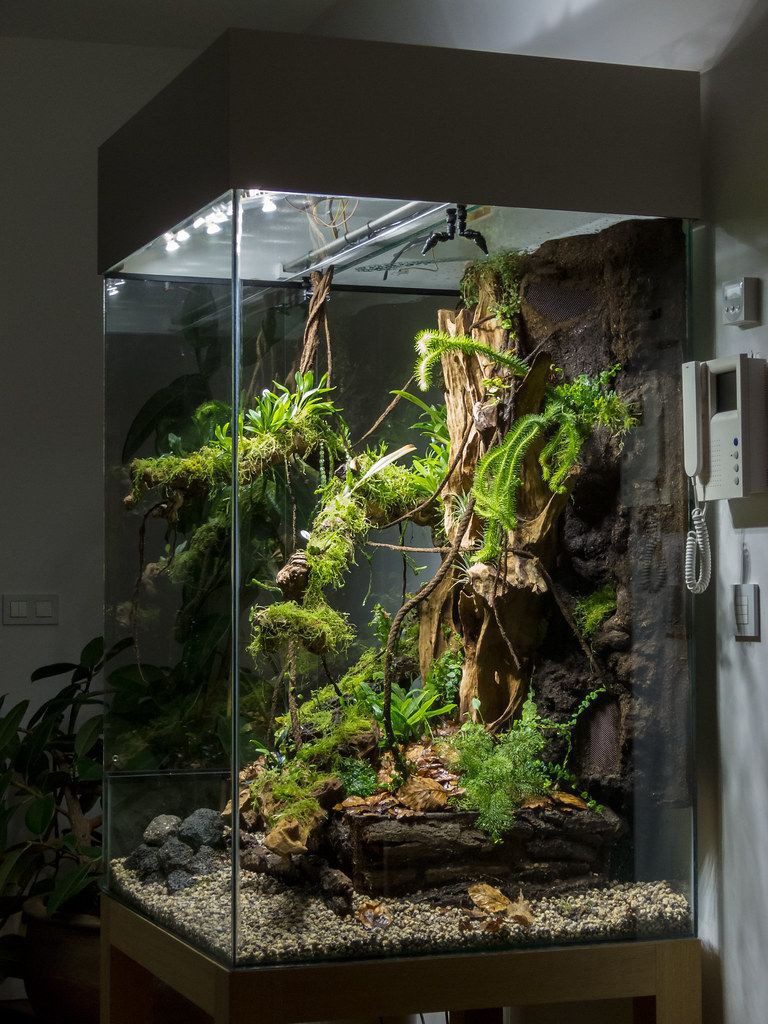
Size matters. Always go bigger rather than smaller. Many beginners make the mistake of buying the smallest tank that “fits” their pet. In reality, more space allows for better temperature gradients, more enrichment, and a happier, healthier animal.
Example setups:
- A leopard gecko does well in a 60 × 40 × 40 cm enclosure.
- A tree frog might need a tall vertical terrarium with plenty of climbing branches.
- A bearded dragon requires a large, wide terrarium with space to bask.
Tip: Check out our webshop’s terrarium starter kits, which include safe enclosures for a variety of species.
2. Heating and Lighting
Reptiles and amphibians are ectothermic, which means they rely on external heat sources to regulate their body temperature. Without the correct heat and light, they can’t digest food, stay active, or remain healthy.
- Heating: Options include heat lamps, ceramic heat emitters, or heat mats (for ground-dwelling species). Always create a gradient – one warm side and one cooler side – so the animal can choose where it feels comfortable.
- Lighting: UVB lighting is essential for many reptiles, such as bearded dragons, turtles, and iguanas. It helps them produce vitamin D3, which is vital for calcium absorption and bone health.
- Day/Night cycles: A timer helps mimic natural cycles, giving your pet a consistent rhythm of 10–14 hours of light per day, depending on the species.
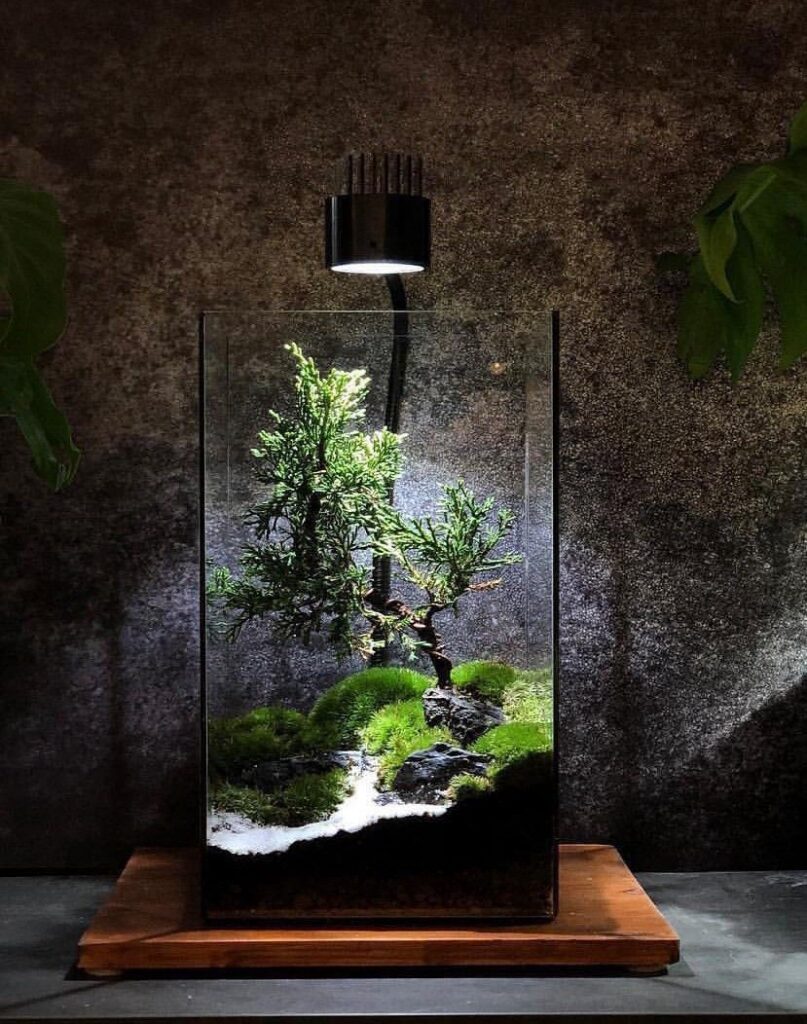
Pro tip: Our webshop offers complete heating & lighting sets with everything you need to get started safely.
3. Substrate and Flooring
The substrate is the material you put at the bottom of the terrarium. It’s more than just decoration – it influences humidity, cleanliness, and your pet’s comfort.
- Safe options: Coconut fiber, soil mixes, moss, and reptile carpets.
- Avoid: Loose sand for geckos or fine gravel for amphibians, as these can cause impaction if swallowed.
- Bioactive setups: Increasingly popular, these use natural soil, live plants, and small invertebrates like isopods and springtails to create a self-cleaning ecosystem.
Shop suggestion: We stock substrate blends and bioactive kits for reptiles, amphibians, and invertebrates.
4. Decoration and Enrichment
A terrarium isn’t just a box with heat and light – it should mimic your animal’s natural habitat. This not only looks great but also keeps your pet active and stress-free.
- Hides and shelters: Provide at least one hide on the warm side and one on the cool side.
- Climbing areas: Branches, cork bark, and vines for arboreal species.
- Rocks and logs: For basking and exploration.
- Plants: Live plants improve humidity and air quality, while artificial plants are low-maintenance and durable.
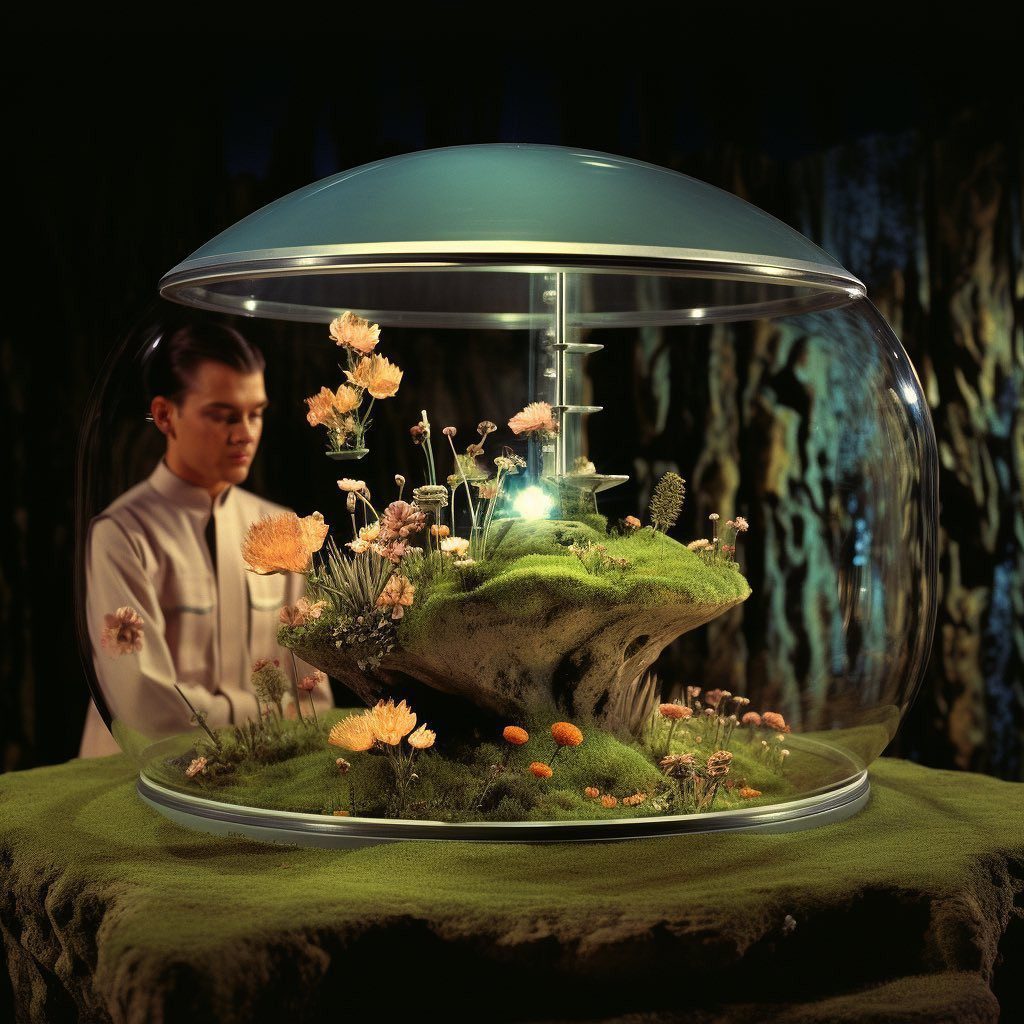
Browse our terrarium décor collection for hides, climbing branches, and realistic plants.
5. Water, Humidity, and Ventilation
Every exotic pet needs access to clean water – but how much humidity and ventilation they need varies by species.
- Water: A shallow bowl is enough for many reptiles. Amphibians often need larger water areas for soaking.
- Humidity: Tropical species like dart frogs or geckos need high humidity. Use misting systems, foggers, or daily spraying to maintain levels.
- Ventilation: Good airflow prevents mold and ensures a healthy environment.
Must-have tools: Hygrometers (to measure humidity) and thermostats (to regulate temperature). Available in our shop.
6. Preparing Before Bringing Your Animal Home
Don’t wait until the day your pet arrives to set everything up. Instead:
- Assemble and decorate the terrarium 1–2 weeks before your new pet comes home.
- Run the heating and lighting equipment to stabilize temperatures.
- Test humidity levels and adjust misting or ventilation.
- Make sure hides and water bowls are in place.
This ensures your animal moves straight into a safe, stable, and stress-free home.
7. Long-Term Maintenance
Owning an exotic pet is a long-term responsibility, and your terrarium will need regular care.
- Daily: Feed, provide fresh water, remove waste.
- Weekly: Clean surfaces, check humidity and temperature, and adjust as needed.
- Monthly: Deep clean the terrarium, replace substrate if needed, trim plants, and check equipment.
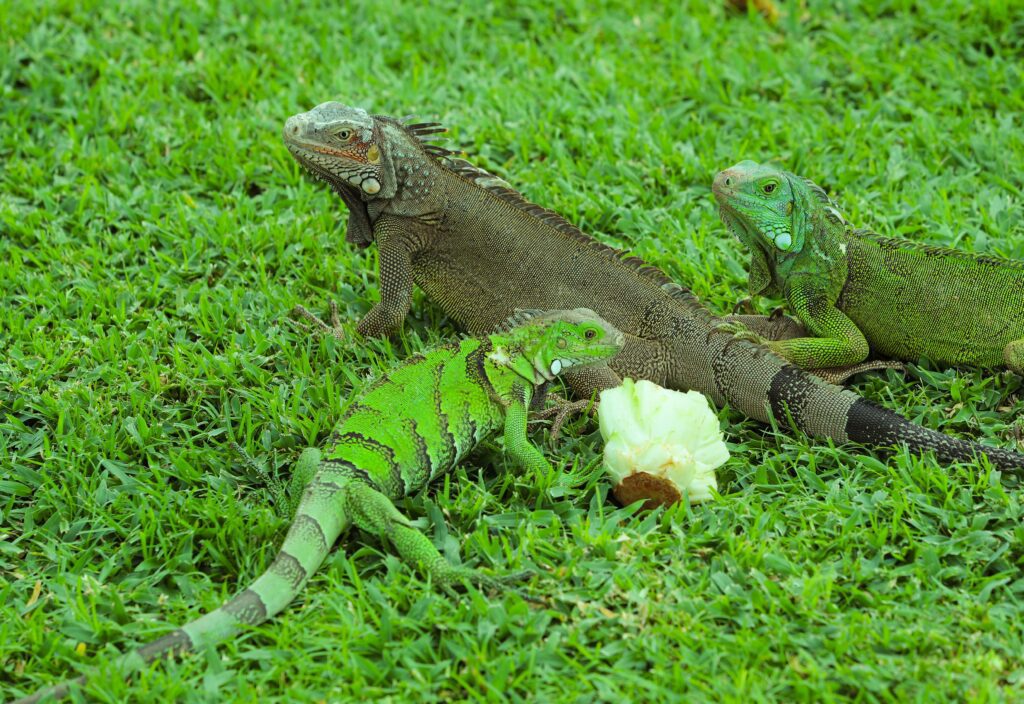
With a consistent routine, your animal will stay healthy and your terrarium will remain beautiful.
8. Common Beginner Mistakes
Here are some of the pitfalls first-time keepers often face:
❌ Choosing a tank that’s too small.
❌ Using unsafe substrates like sand or gravel.
❌ Skipping UVB lighting.
❌ Forgetting to provide enough hiding places.
❌ Buying an animal impulsively without research.
Solution: Our beginner bundles make sure you get the right size terrarium, safe substrates, and proper lighting – avoiding these mistakes from the start.
9. Responsible Animal Keeping
While terrariums are fun to design, remember: this is about providing the best life possible for your animal.
- Always buy from ethical breeders or licensed sellers.
- Know the legal requirements for your species in your country.
- Never impulse-buy – make sure you’re prepared for the animal’s long-term needs.
Responsible keeping not only ensures your pet’s health and happiness but also strengthens the reputation of the exotic animal hobby.
10. Conclusion: Your First Terrarium Is Just the Beginning
Setting up a terrarium may feel overwhelming at first, but once it’s ready, you’ll see how rewarding it is to watch your exotic pet thrive in a habitat you’ve created.
Remember:
- Start with the right enclosure.
- Get heating, lighting, and humidity right.
- Add safe substrate, décor, and enrichment.
- Always prepare in advance and keep up with maintenance.
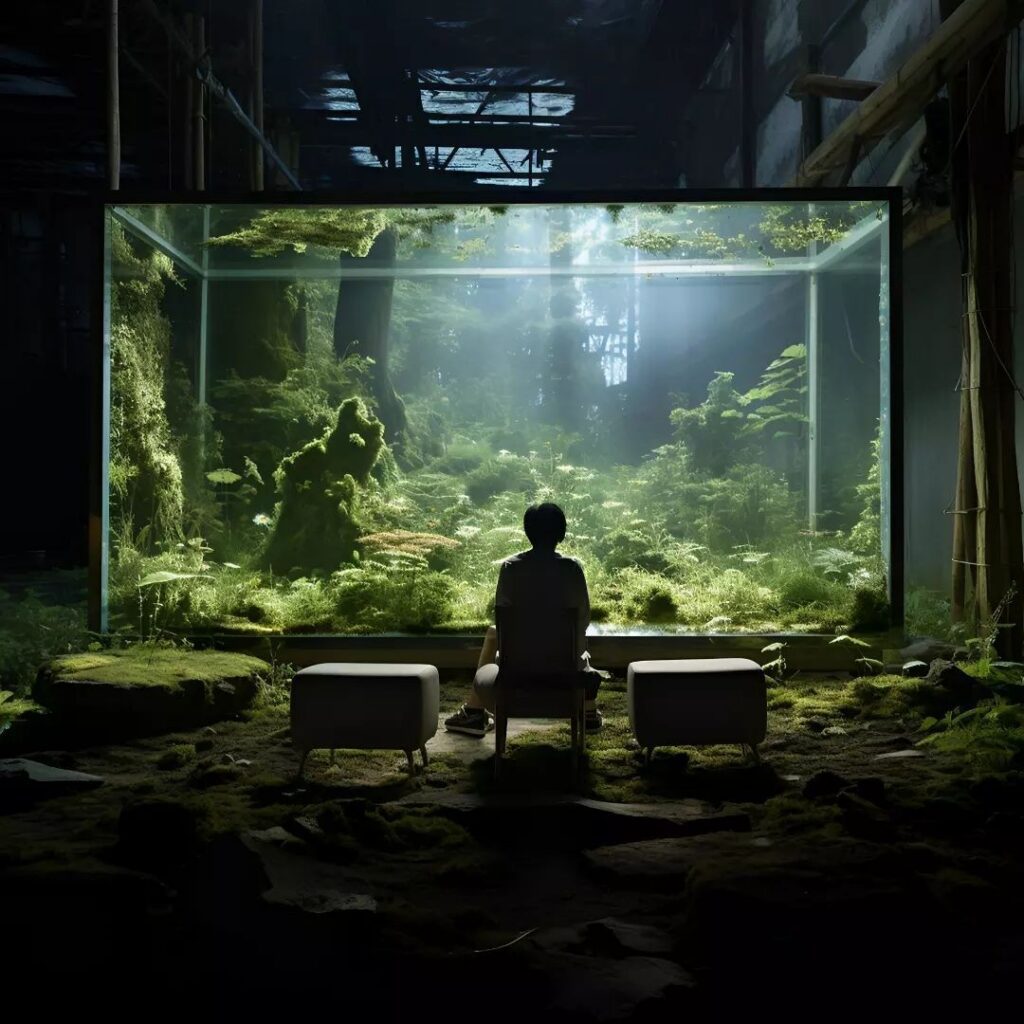
In the end…
Whether you’re keeping a gecko, frog, tarantula, or crab, your terrarium is more than just a container – it’s your animal’s entire world.
Ready to set up your own terrarium? Browse our [shop link] for terrarium kits, heating systems, lighting, substrates, and decorations – everything you need to create the perfect home for your new pet.
Test