'/%3E%3C/svg%3E)

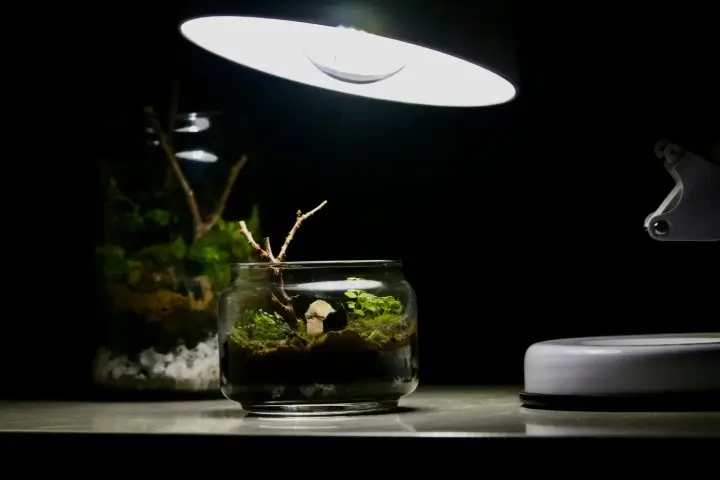
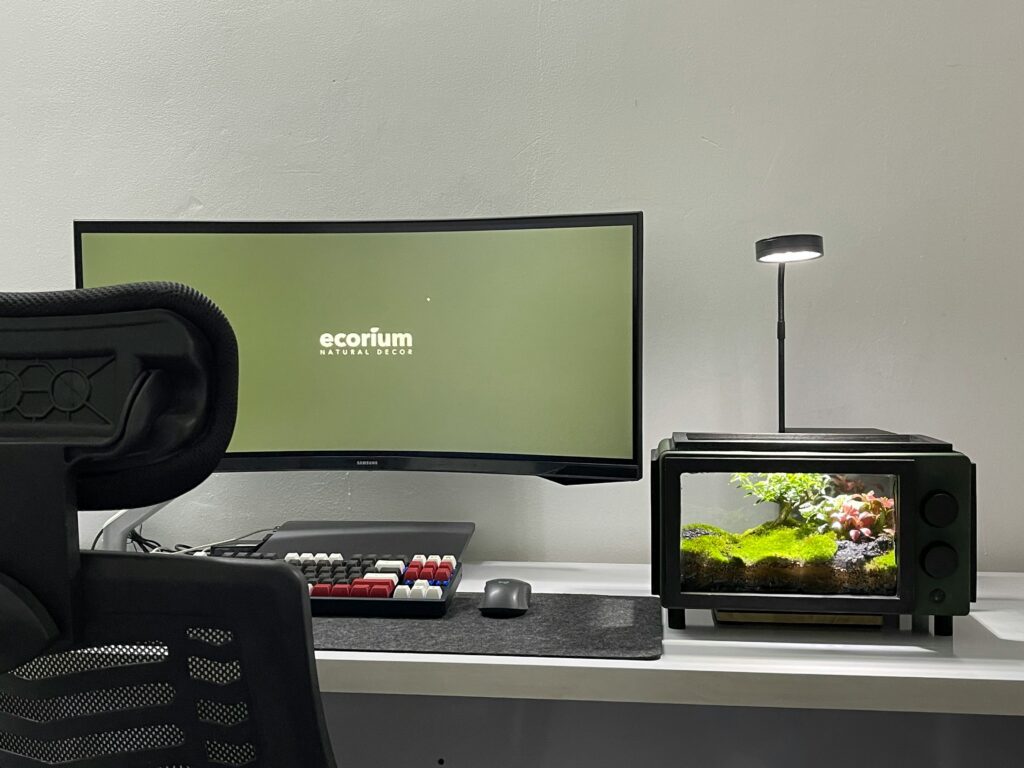
Terrariums are more than just enclosures – they’re miniature ecosystems.
When designed thoughtfully, they can become both a functional home for your exotic animals and a beautiful piece of natural art. But many pet keepers fall into the trap of using plastic-heavy decorations, artificial ornaments, or non-recyclable materials that harm the environment. The good news? With a little creativity, you can craft sustainable terrarium décor that is safe, eco-friendly, and unique.
Why Go Sustainable?
Sustainable terrarium design reduces waste, saves money, and creates a healthier environment for your pets. Exotic animals thrive in naturalistic setups, and choosing organic or upcycled materials helps mimic their natural habitats. Plus, it lowers reliance on mass-produced, plastic-heavy pet store décor.
Materials You Can Use
- When it comes to building or decorating terrariums, you don’t always need to rely on store-bought accessories. Many natural and upcycled materials can be just as effective, and far more sustainable, while also giving your habitat a unique, natural look. One of the most versatile resources is wood. Branches and twigs can be collected from local areas, provided they are pesticide-free and responsibly gathered. Before placing them in a terrarium, it’s important to sanitize them by baking or boiling to remove any pests or fungi. Properly prepared, wood provides climbing opportunities, natural hiding spots, and enrichment that closely mimics an animal’s natural environment.
- Rocks and stones are another excellent option. Instead of buying polished or packaged stones, which are often imported and energy-intensive to process, look for local sources. Stones from your own garden or nearby landscapes are free and carry a smaller footprint. They simply need to be rinsed thoroughly and, if necessary, heat-treated to ensure they are safe for use. Not only do they add visual appeal, but they can also serve as stable basking spots or structural supports for other elements in the terrarium.
- Glass jars are an underrated material with countless uses. Upcycling old food jars into miniature habitats, decorative moss planters, or hiding spots gives them a second life while reducing waste. Their transparent walls allow light to filter through, creating beautiful micro-ecosystems inside the terrarium while helping to maintain humidity. Similarly, clay and terracotta can be reused in creative ways. A broken flower pot may seem useless at first, but its fragments can be repurposed into natural-looking caves, hides, or even climbing structures. These pieces blend seamlessly into the environment, offering shelter and enrichment while avoiding the need for synthetic décor.
- Coconut shells are another material often discarded but full of potential. With a little preparation, they can be turned into excellent hides, feeding dishes, or climbing enrichment. Their natural texture and durability make them a perfect fit for humid environments. Finally, moss and plants bring the terrarium to life. Locally grown or sustainably sourced species are the best choice, as they adapt well to local conditions and don’t put strain on ecosystems. Beyond their beauty, they help regulate humidity and provide shelter, making the habitat healthier and more balanced.
DIY Décor Ideas
- Once you’ve gathered your materials, the fun part begins: transforming them into functional, creative décor. Driftwood, for instance, can be turned into a stunning hideaway. After scrubbing it clean and ensuring it’s safe, you can secure it with non-toxic glue to create tunnels, climbing branches, or perches. Each piece of driftwood has a unique shape, so the result is always one-of-a-kind and naturally suited to animal enrichment.
- Stones can be stacked into a sturdy rock tower using aquarium-safe adhesive. This creates basking platforms, hides, or levels within the enclosure that reptiles, crabs, or amphibians can explore. Unlike store-bought platforms, a homemade stone tower adds both function and authenticity, blending seamlessly with the rest of the terrarium.
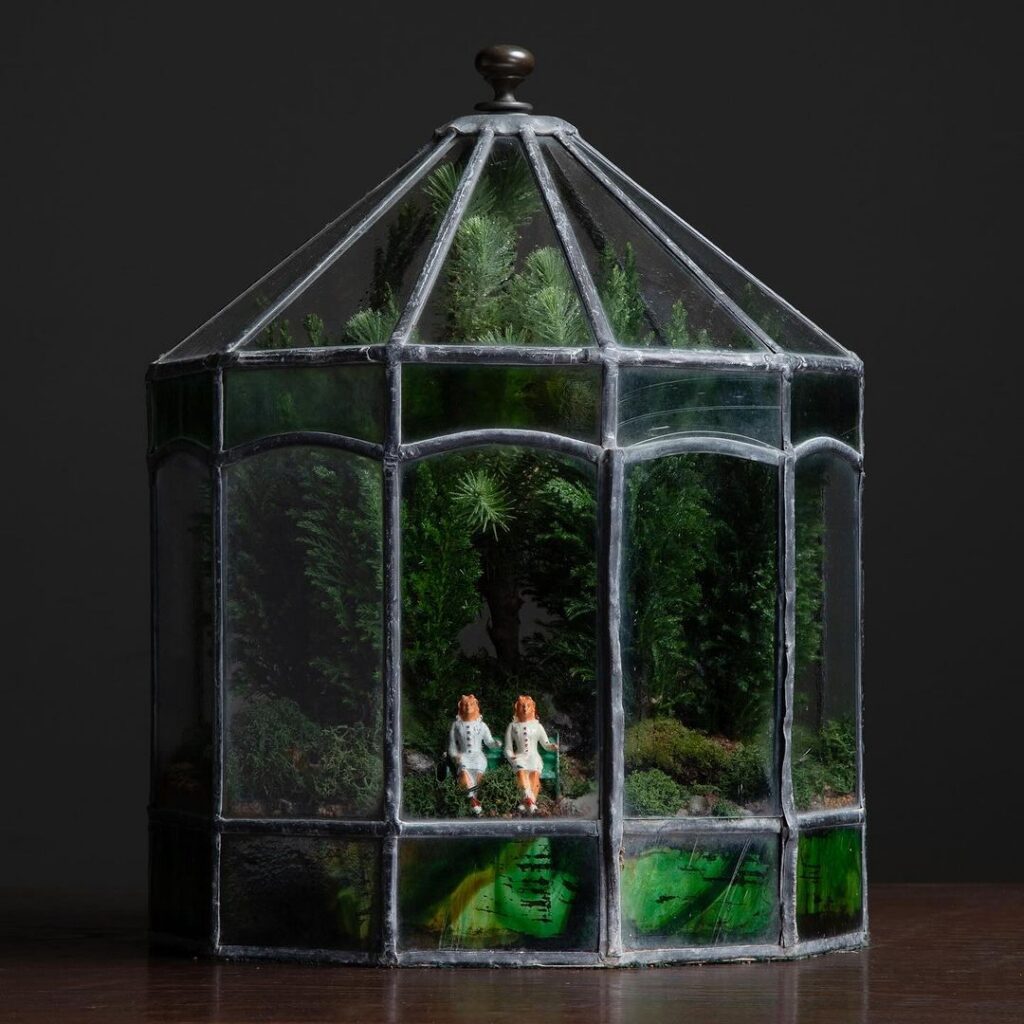
- Glass jars can be repurposed into small moss gardens that double as decorative features and humidity regulators. A layer of substrate at the bottom, topped with moss, creates a lush micro-habitat that’s easy to maintain. Tucked into a corner of the terrarium, it provides both beauty and practical benefits.
- Even something as simple as a broken terracotta pot can be transformed. Split in half, it becomes a natural-looking cave, ideal for reptiles, crabs, or other small creatures that need hiding spaces. With a little creativity, what would have been waste is turned into a safe and enriching shelter that feels right at home in the environment.
Sustainable Development Goals
In 2015, the United Nations introduced the 17 Sustainable Development Goals (SDGs) as a shared blueprint for a better world. Among them, Goal 12, Responsible Consumption and Production, directly addresses the way goods and services are created, delivered, and disposed of. It emphasizes reducing waste, improving resource efficiency, and supporting sustainable business models. By focusing on this goal, both companies and individuals can reduce their ecological footprint and contribute to global change.
In the end…
Making your own terrarium décor is not only rewarding but also helps protect the planet. By upcycling everyday items and relying on natural materials, you’ll create a habitat that looks stunning, functions perfectly.